You sell a program or game you made by selling a specific solved problem to a specific buyer: a shop that needs a cashier its own way, a school that wants a revision game, a brand that wants a campaign game. Pick a clear pricing model (a one-time license, a license with annual maintenance, a subscription, or a project fee), deliver the installer yourself and test it with the customer on their machine, and share games by link. Be honest before the sale about the product's limits, such as the installer running on 64-bit Windows 10 and 11 only.
- how to sell software i made
- how to sell a game i made
- how to price custom software for small business
- software licensing models for small developers
- how to sell a windows program to local shops
- can i sell an app i built with ai
Can you really sell a program or game you built yourself?
Yes, and individuals and small shops have done it for decades: someone who knows a field makes a program for one shop, then sells it to the shop next door. What has changed is that making the program is now much shorter, which moves the value to what always mattered: understanding the customer's work and still being there after the sale. This guide covers the part no builder does for you: who buys, for how much, and how you deliver and support.
 Illustration
- What the customer buys
- A solved problem, not a file
- What they pay for again
- That you answer when they call
- Your edge over ready-made
- A program that works their way, in their language
- Biggest risk
- A program for everyone that fits no one
Who buys small programs and games?
| Buyer | What they buy | How they decide |
|---|---|---|
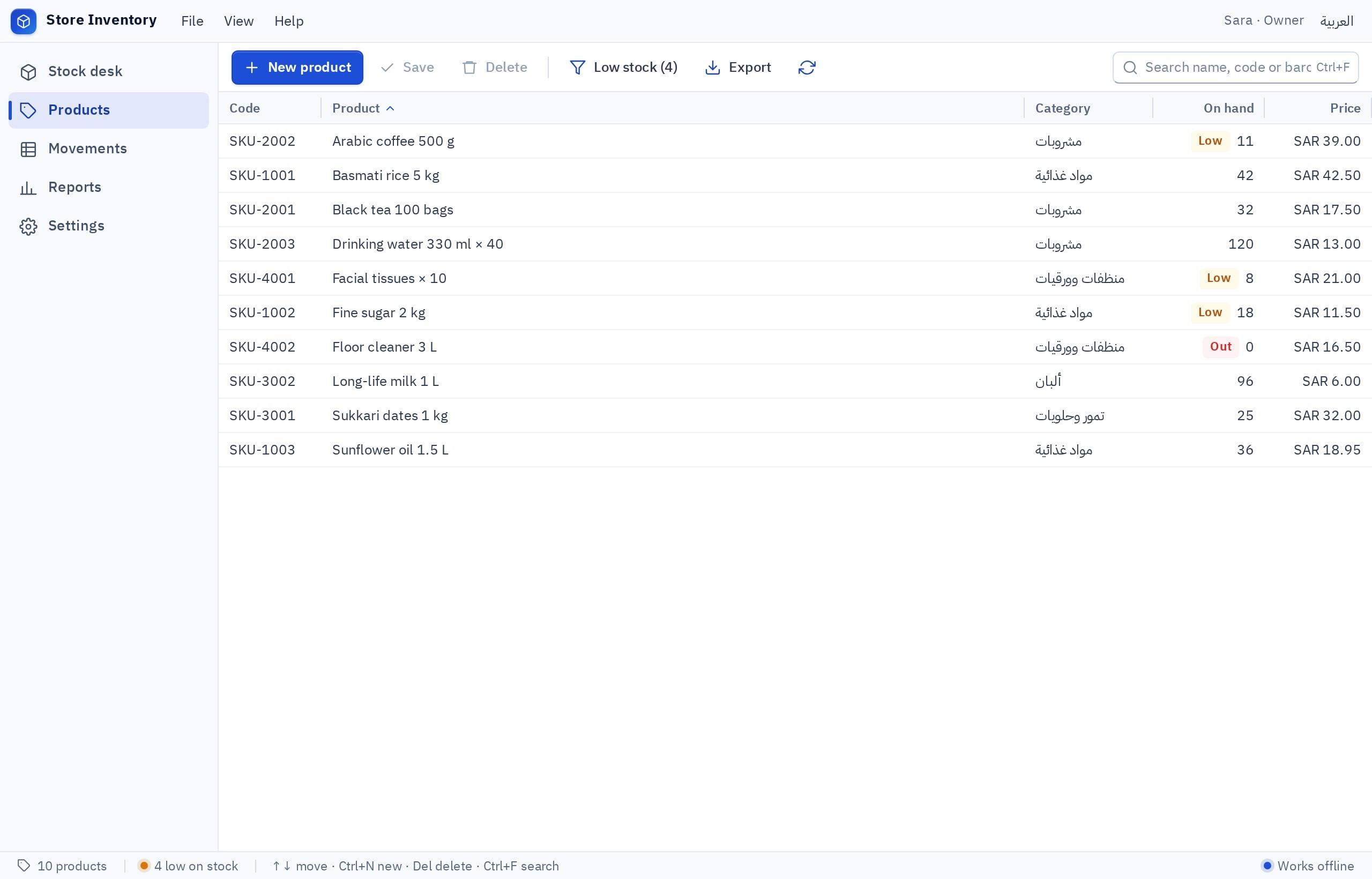
| Small shop or restaurant | A cashier, inventory or invoicing program their way | They see it running on their PC with their data |
| Services office or contractor | Request tracking, attendance, expenses | They compare it with the spreadsheet they are tired of |
| Clinic or salon | Reception and appointments | They ask the receptionist before anyone else |
| Warehouse | Barcode labels and stock movement | They try it with their own printer and scanner |
| School or training center | A learning game for one lesson | A teacher tries it in class |
| Brand or event | A short game in its identity for a campaign | They ask how many people played and shared |
How do you price it? Licensing and pricing models
There is no single right price, but there are known models, and each suits a kind of customer. No figures here, since price follows your market and field. The logic is the same everywhere:
| Model | How it works | Suits | Watch out |
|---|---|---|---|
| One-time license | The customer pays once and uses the program | Shops that dislike subscriptions | Income stops at the sale; support requests do not |
| License plus annual maintenance | An amount at the sale, a smaller one each year for support and updates | Most small shops | Write down exactly what maintenance covers |
| Monthly or annual subscription | The customer pays while they use it | Cloud systems shared between computers | The customer expects uninterrupted service |
| Per device or branch | Price grows with counters or branches | Customers with more than one point | Define how devices are counted |
| Project fee | A price to build a program or game for one customer | Custom requests and campaign games | Fix the scope and the number of revision rounds in writing |
Price the size of the problem you solve for the customer, not the hours you spent building.
Before selling anything you built with any tool, read its terms for commercial use. For revenue models in general, see app monetization models.
How do you deliver an installer to a customer?
- 1Test on a clean machine
Install on a PC that never had the program. What works on your computer may not work on another.
- 2Check the customer's PC
Windows 10 or 11, 64-bit. Ask before you visit, not while you are there.
- 3Install it with them
At the shop or over a shared screen. Do not send the file and vanish: the first install is the first impression.
- 4Test their devices
Print a receipt on their printer and scan an item with their scanner. Printing goes through Windows printers, and a scanner works when it types like a keyboard.
- 5Enter their real data
At least ten items and three customers, so work starts on day one.
- 6Teach the backup
With local data, backups are their job. Show them how to take one and restore it, and leave it as a daily habit.
If the customer has several machines, the sequence is in how to install a program on staff computers.
How do you sell a game?
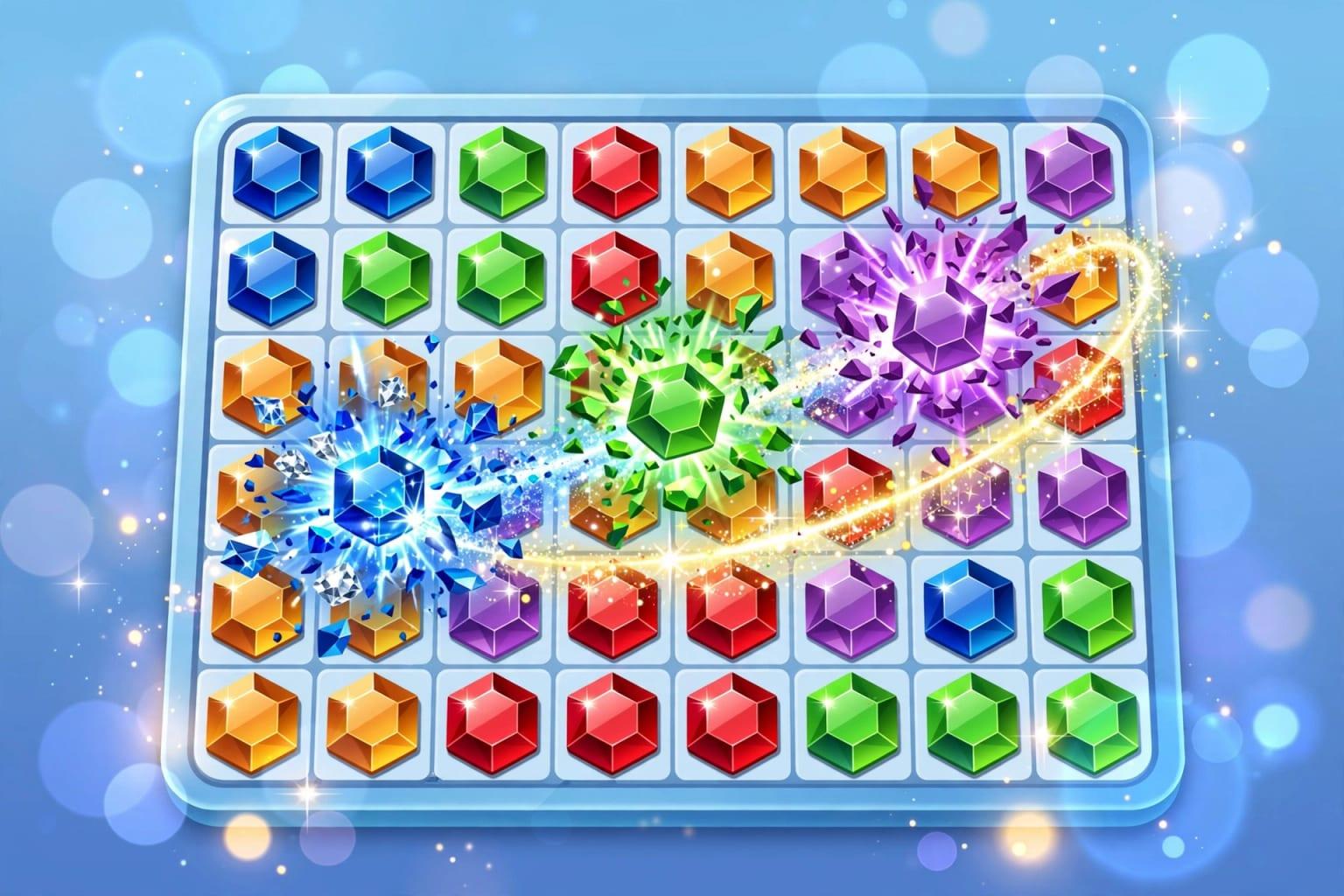
A game published as a browser link is not sold copy by copy the way store games are. It is sold as a service to an organization that wants something its audience will play. That is a real market, and its buyers know why they pay:
 Illustration
- A campaign game for a brand: a short game in its colors and logo for a season or an opening, where reaching a score unlocks a discount code the client defines. See branded mini-games for marketing.
- A learning game: for a school, a center or a private tutor, revising one lesson. See educational games for children.
- An event game: a screen at an exhibition stand or a QR code on tables, where the best score wins a prize.
- A 3D world for display: a product showroom or a room tour, delivered as a link the client places on their site.
Delivery is simpler than with programs: you send the link and the client opens it on a phone. Test it first on two different phones and a computer, and check the touch controls. What gets built is a light single-player game, so never promise a client multiplayer or a release on game stores.
What support do you owe after the sale?
For small shops, support is the real product. An owner fears the price less than a breakdown on a busy evening with nobody answering. So define what you commit to, and write it down:
- Fixing any fault in what was agreed
- A reply within a set time during working hours
- Help restoring a backup
- Reinstalling on the same machine
- A new screen or report
- A change in how the work flows
- Installing on another machine or branch
- Training new staff
How do you build a sellable product in Fanann?
A program you sell to several customers differs from one you build for yourself in one way: everything specific to the customer must be a setting, not something written into the program. Business name, logo, VAT number, VAT rate, the footer text on an invoice. Ask for that explicitly in the description:
Build a Windows employee attendance program for small businesses, in Arabic and English, with a local database. A settings screen with the business name, logo, working days, shift hours and a lateness grace period. An employees screen, check-in and check-out by employee number, a monthly report per employee with lateness and absence, and report printing. Backup and restore from the menu. Do not write any business name into the screens; take everything from settings.
Try it in FanannHow do you reach a first sale, and what should you check legally?
- Week 1One field, one demo
Pick a field you know and build a working version with data that looks like a real shop's.
- Week 2Five visits
Show it to five shops. Do not sell. Ask what is missing for them to use it tomorrow.
- Week 3A pilot in one shop
Install it for the keenest one and stay close. Note everything staff stumble on.
- Week 4The first invoice
Turn the pilot into a written agreement: price, maintenance, what support covers. Ask for an introduction to the shop next door.
Selling software is a commercial activity. In Saudi Arabia and the UAE you may need a commercial registration, a freelance document or a license, and tax obligations can apply depending on your income, so check the official source in your country before you start. This is not legal advice. A starting point is commercial register or freelance document, and the full plan is in start a small software business in the Gulf.
Key takeaways
- People do not buy a program. They buy a solved problem: a shorter line, a correct stock count, an invoice out in seconds.
- Start with one field you know and ten similar shops, not a program for every kind of business.
- Annual maintenance turns a sale into an ongoing business instead of a one-off deal.
- Install the program with the customer the first time. The first install is the first impression, and whatever they stumble on alone they will count as a flaw in the program.
- Games published by link sell as a service to organizations: a campaign, a lesson or an event, not copies in a store.
Frequently asked questions
Can I sell a program I built with AI?
How do I price a cashier or inventory program for a shop?
Should I deliver the program myself, or is sending the file enough?
How do I sell a game that only runs from a link?
What if the customer keeps asking for changes?
Do I need a commercial registration to sell software?
Ask your AI assistant about this
Copy this prompt into the AI assistant you use, then add the details of your own case.
I am reading this guide: “How to sell a program or a game you made” https://fanann.com/en/blog/sell-the-software-or-game-you-made/ My question: how to sell software i made Use that page as a source and explain the answer step by step for my situation, tell me what to check before I start, and cite the page link.